
The 2026 awardees of the Feenberg Memorial Medal and of the Kümmel Early Achievement Award will be presented at RPMBT23, continuing the tradition of recognizing excellence and innovation in the field of many-body physics.
Feenberg Memorial Medal
The Eugene Feenberg Memorial Medal (or Feenberg Award) is awarded under the auspices of the International Advisory Committee of the RPMBT series. First awarded in 1985, it recognizes work that is firmly established and has significantly advanced the field of many-body physics.
The Feenberg Award was established in 1983 by the many-body physics community at the third conference of the RPMBT series (RPMBT-3). It serves to preserve the memory of the unique and enduring contributions of Eugene Feenberg to Physics, especially to the foundations of nuclear physics and the microscopic quantum many-body physics of nuclei and quantum fluids.
The Feenberg Award for 2026 has been jointly awarded to Matthew Fisher (University of California, Santa Barbara), Leonid Glazman (Yale University), and Charles Kane (University of Pennsylvania),
for transformative contributions to the many-body theory of interacting electrons, establishing the modern understanding of one-dimensional conductors, quantum Hall transport, and topological quantum phenomena.
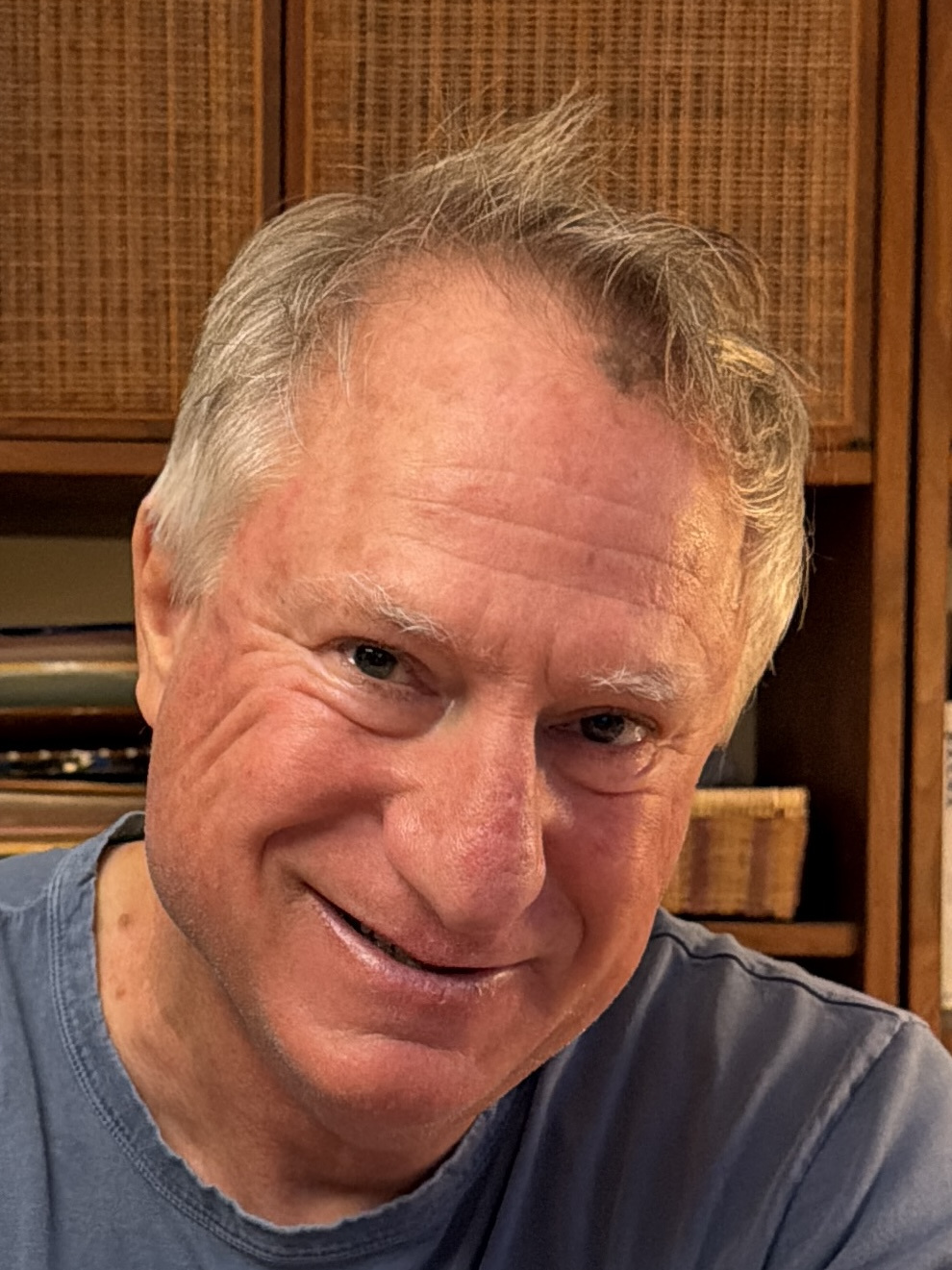
Matthew Fisher
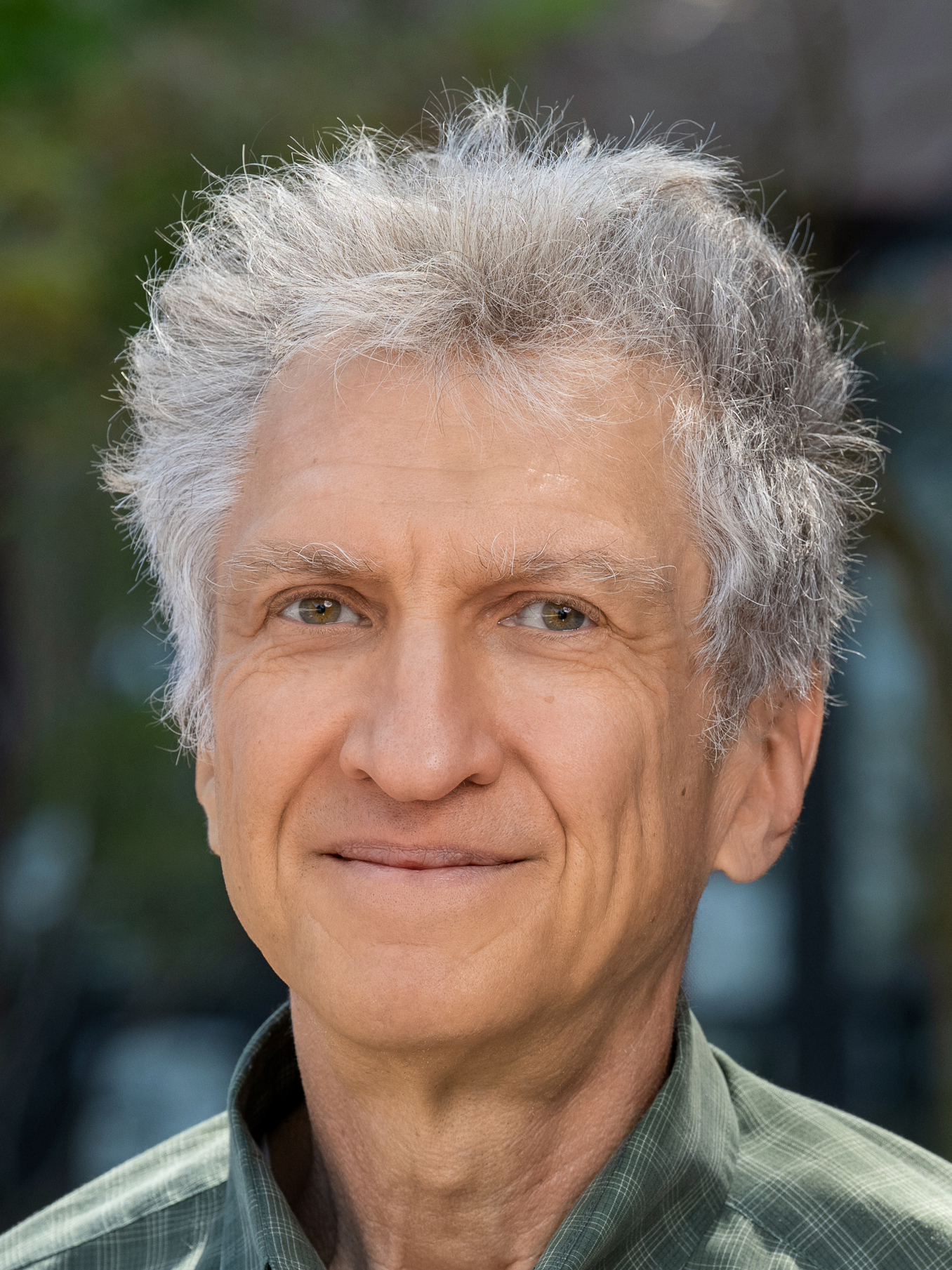
Leonid Glazman
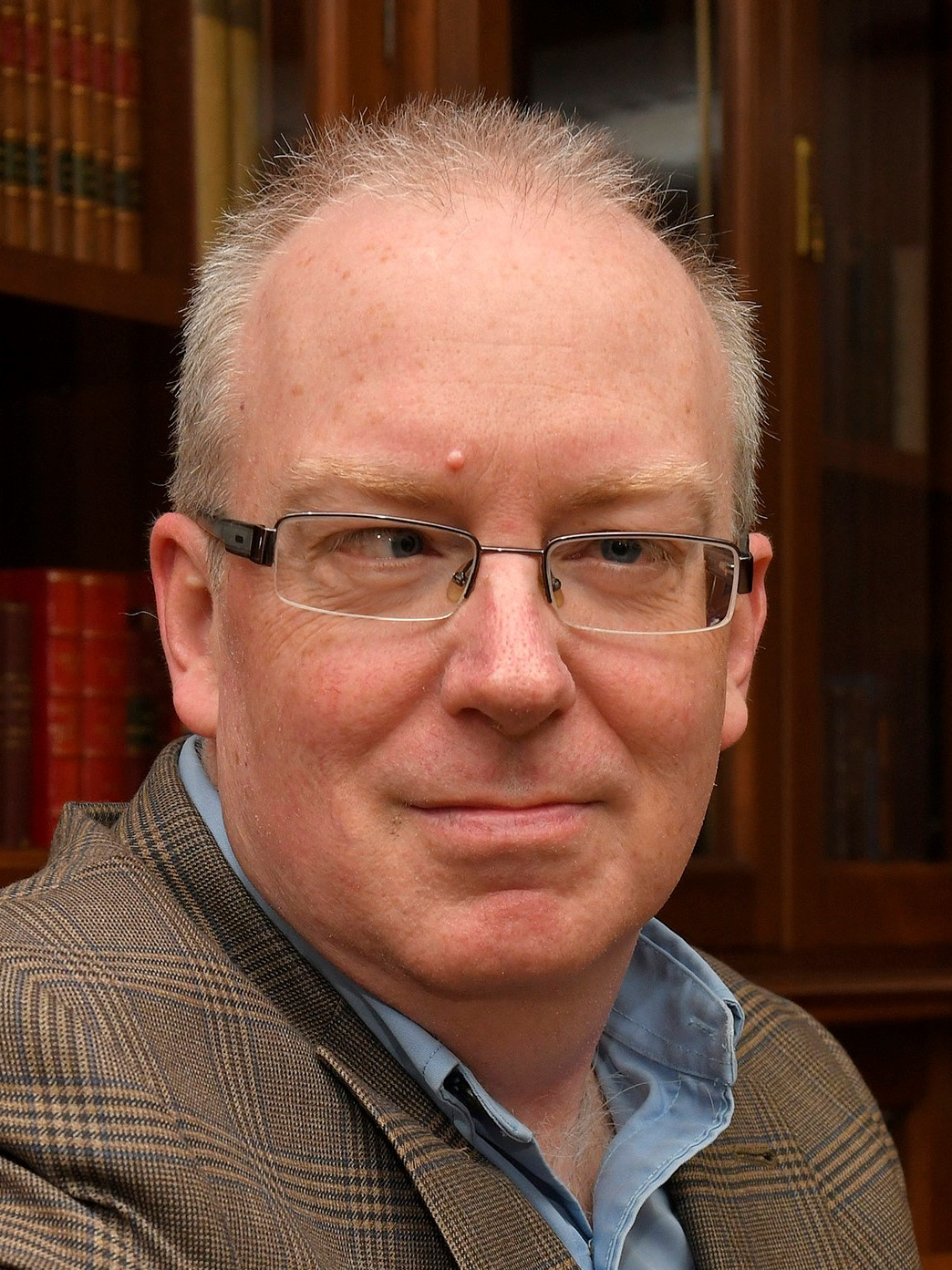
Charles Kane
Kümmel Early Achievement Award
The Hermann Kümmel Early Achievement Award in Many-Body Physics recognizes young physicists whose published work represents a significant contribution to quantum many-body theory.
It was established in 2005 by the International Advisory Committee at the thirteenth conference of the RPMBT series (RPMBT-13).
This Award honors Professor Hermann Kümmel for his long and distinguished career as a leader in the field and as a mentor to younger generations.
The Kümmel Early Achievement Award for 2026 has been awarded to Tomohiro Soejima (New York University/The Flatiron Institute),
for the development of novel forms of the Density Matrix Renormalization Group and their use in discovering new quantum phases.
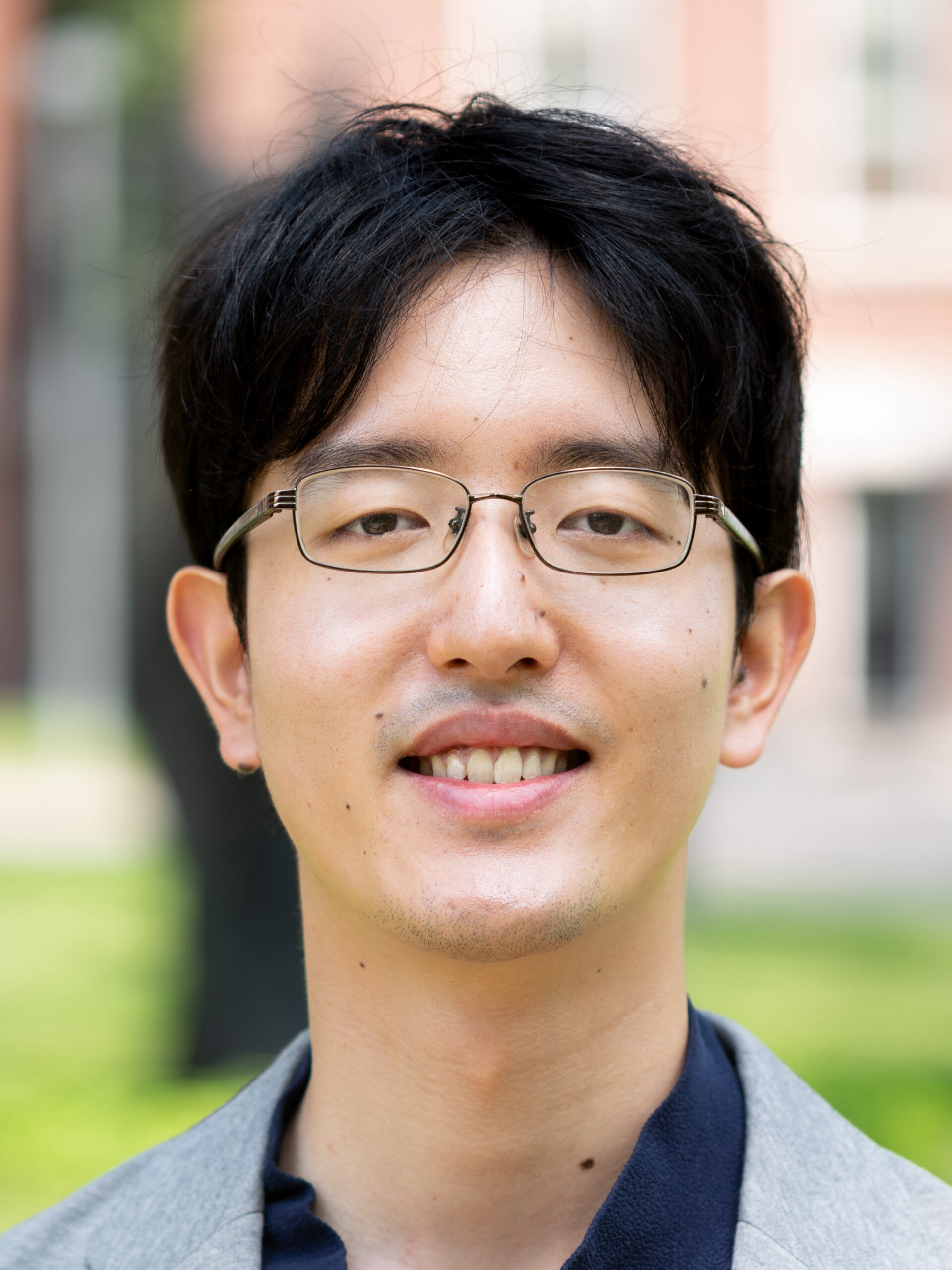
Tomohiro Soejima